Robotics & Automation 2026 — Course Overview.
There are about 220+ BTech Robotics Engineering colleges in India — of these, 196 are privately owned, 18 are government/public and 1 is public-private. JEE Main, TNEA, MHT-CET, KCET and CUET are the main accepting entrance exams, and popular colleges include Amrita School of Engineering, Chandigarh University, GGSIPU, IIT Roorkee, SRM Institute of Science & Technology and Bharati Vidyapeeth. The degree itself is a true interdisciplinary blend: robot kinematics & dynamics from mechanical engineering, sensors, drives & control from electronics, and ROS programming, computer vision & machine learning from computer science. Automation is rewriting every industry — manufacturing lines, warehouses, EV plants, hospitals and farms — making robotics engineers among the most sought-after core-branch graduates of 2026.
Robotics & Automation 2026 — Quick Facts
Top Robotics & Automation Colleges in India 2026.
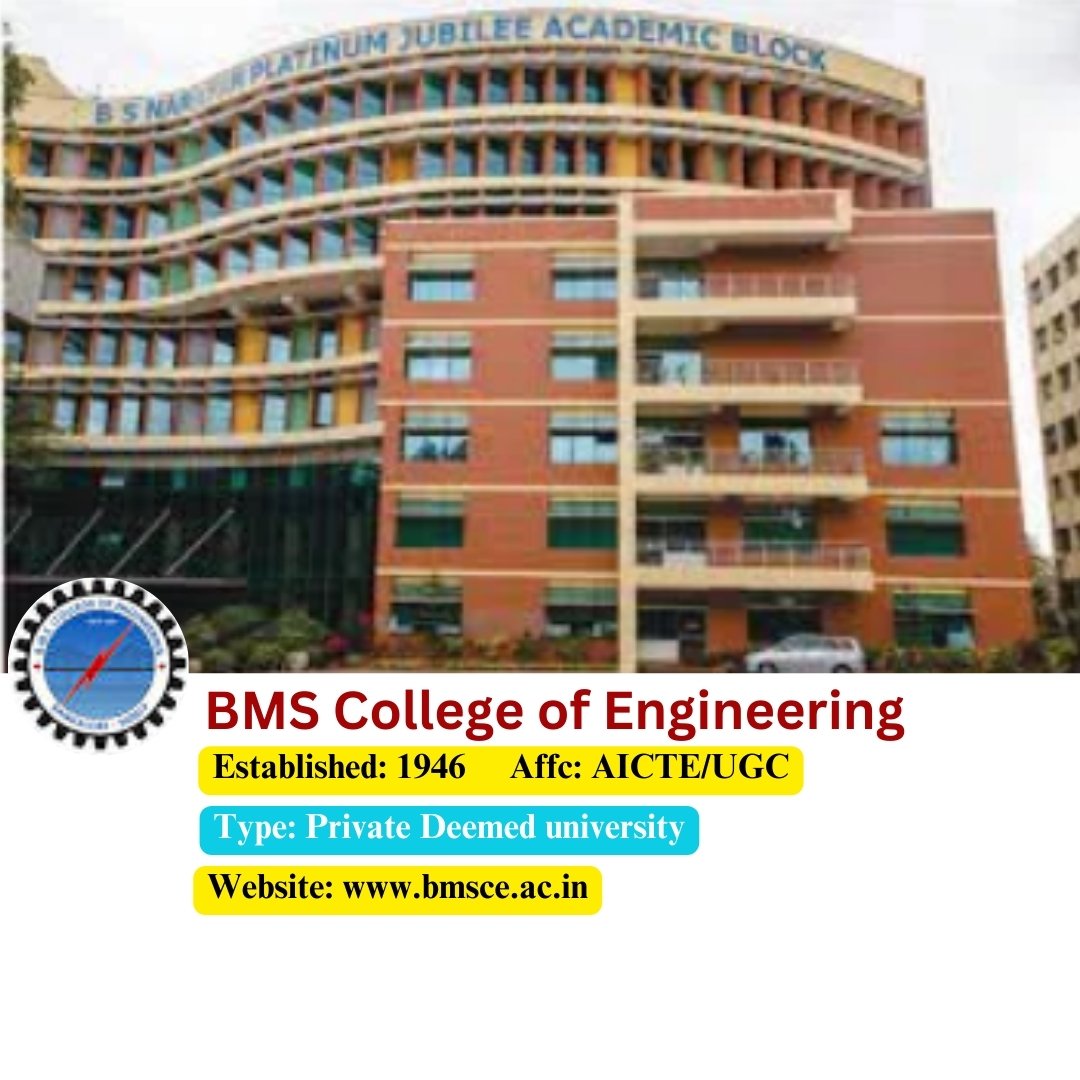
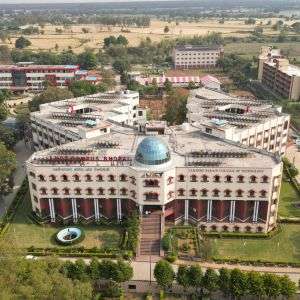
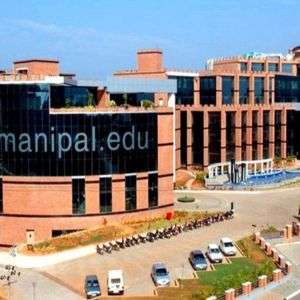
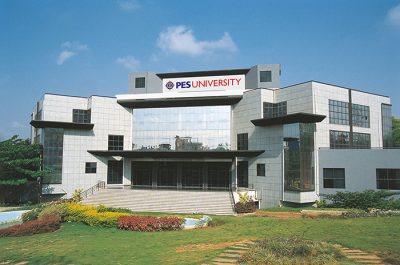
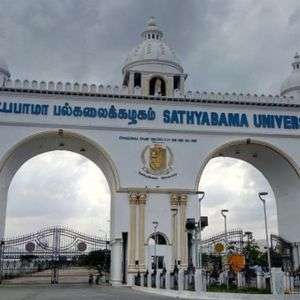
Hand-picked engineering institutes with robotics labs, automation training & industry projects — NAAC grades and establishment years are shown where published. Tap any college to open its full details page:
Before applying, always confirm the current fees, cutoffs, recognition and eligibility with the official college source. Our counselors verify these details for you — free of cost.
Robotics & Automation — Eligibility Criteria 2026.
B.Tech Robotics & Automation vs Mechatronics vs Mechanical.
Robotics & Automation
Software-heavy robotics • ROS, vision, ML + mechanics • drones, humanoids, Industry 4.0 • newest & fastest-growing.
Mechatronics
Hardware-focused blend • machines, sensors, drives & control • manufacturing & product automation careers.
Mechanical
Classic core branch • machines, thermal, design & manufacturing • widest industry spread, robotics via electives.
Robotics & Automation Admission Process 2026 — Step by Step.
Check eligibilityClass 12 Science with Physics, Chemistry, Maths (45–60%) — our counselors map your exam vs direct route, free
Shortlist collegescompare robotics labs, ROS & automation training, industry projects and fees — BITS, MIT, VIT, SRM, PES, Ramaiah and more
Register for exams / applyJEE Main / CUET registration, state CETs (TNEA, MHT-CET, KCET) or direct university applications
Appear for exams & counsellingrank-based counselling or merit-based selection with document verification
Pay fees & confirm seatlock your admission and join the 2026 B.Tech Robotics batch
Entrance Exams 2026 — How to Get In.
National, state and university-level routes all lead to robotics & automation seats:
JEE Main Session-1 typically runs in January with Session-2 in April; TNEA counselling follows Class-12 results, and MHT-CET / KCET run in April–June. Confirm each schedule on official portals.
Robotics & Automation Specialisations.
From factory floors to surgical theatres — these are the most in-demand robotics specialisations for 2026:
Skills You Gain During the Programme.
Career Options & Salaries 2026.
Robotics engineers are hired by automation majors — ABB, KUKA, FANUC, Siemens, Bosch — plus Tata Elxsi, L&T, ISRO/DRDO projects and fast-growing warehouse-robotics startups like GreyOrange and Addverb. Indicative packages:
Salary ranges are indicative and vary with skills, city and employer. ROS, computer-vision and PLC-SCADA portfolios — plus GATE for M.Tech — push packages significantly higher.
B.Tech Robotics vs Diploma vs M.Tech Robotics.
B.Tech Robotics (4 yrs)
After 12th PCM • full engineering depth — mechanics + electronics + ROS/AI • the complete professional entry.
Diploma (3 yrs)
After 10th • hands-on automation, maintenance & robot operation • early job entry • lateral entry to B.Tech 2nd year.
M.Tech Robotics (2 yrs)
After BE/BTech • specialisation in robot AI, control or design • GATE entry • R&D and leadership trajectory.
Frequently Asked Questions.
What is B.Tech Robotics & Automation Engineering?
It is a 4-year interdisciplinary engineering degree where mechanical engineering, electronics and computer science converge. You learn to design, build, program and operate robots and automated systems — robot kinematics and dynamics, control systems, industrial automation (PLC/SCADA), ROS programming, computer vision and machine learning — preparing you for Industry 4.0 careers across manufacturing, EVs, drones, healthcare and defence.
How many robotics colleges are there in India and what do they cost?
India has about 220+ BTech Robotics Engineering colleges — 196 are privately owned, 18 are government/public and 1 is public-private. Annual fees: around 12 colleges charge ₹1–2 lakh, 44 charge ₹2–3 lakh, 50 charge ₹3–5 lakh and 88 charge above ₹5 lakh. Popular names include Amrita School of Engineering, Chandigarh University, GGSIPU, IIT Roorkee, SRM Institute of Science & Technology and Bharati Vidyapeeth.
What is the eligibility and admission process for 2026?
For UG admission you need Class 12 (Science) with Physics, Chemistry and Mathematics as core subjects, usually with 45–60% aggregate. Admissions run through JEE Main, TNEA, MHT-CET, KCET and CUET, plus direct merit routes at many private universities. Diploma holders can join the 2nd year via lateral entry.
Is robotics & automation a good career in 2026?
Yes — it sits at the centre of Industry 4.0: factory automation, electric vehicles, warehouse robotics (GreyOrange, Addverb), drones, surgical robots and defence systems are all scaling in India. Robotics software and control specialists command ₹6–18 LPA, and the degree stacks cleanly into AI, autonomous vehicles and R&D careers.
Can I do M.Tech in Robotics after this?
Yes. For postgraduate robotics programmes you need a BE/BTech degree — ideally in Electronics, Mechanical, Electrical, Computer Science, Instrumentation & Control or Electrical & Electronics engineering. Admission is typically through GATE or institute-level tests; robotics minors and electives during BTech strengthen your profile.
Which entrance exams should I target?
The main accepted exams are JEE Main (NITs, IIITs and most privates), TNEA (Tamil Nadu, on Class-12 marks), MHT-CET (Maharashtra), KCET and COMEDK (Karnataka) and CUET (select central, deemed and private universities). JEE Main Session-1 typically runs in January with Session-2 in April; confirm each schedule on official portals.