
CSE with Blockchain 2026 — Course Overview.
The course on computer science and blockchain provides a thorough examination of the cutting-edge technology that supports data security and decentralised digital transactions. It integrates specialist expertise in blockchain technology with basic computer-science topics including cryptography, data structures and algorithms — the design and operation of blockchain networks, smart contracts, consensus techniques and decentralised applications are important subjects. Typically a 4-year (8-semester) programme, the first 1–2 years build core engineering and CS fundamentals before blockchain electives kick in; some institutes add integrated master’s or dual-degree options. Graduates go on to design, build and maintain blockchain systems across finance, supply chain, identity, IoT and Web3.
CSE with Blockchain 2026 — Quick Facts
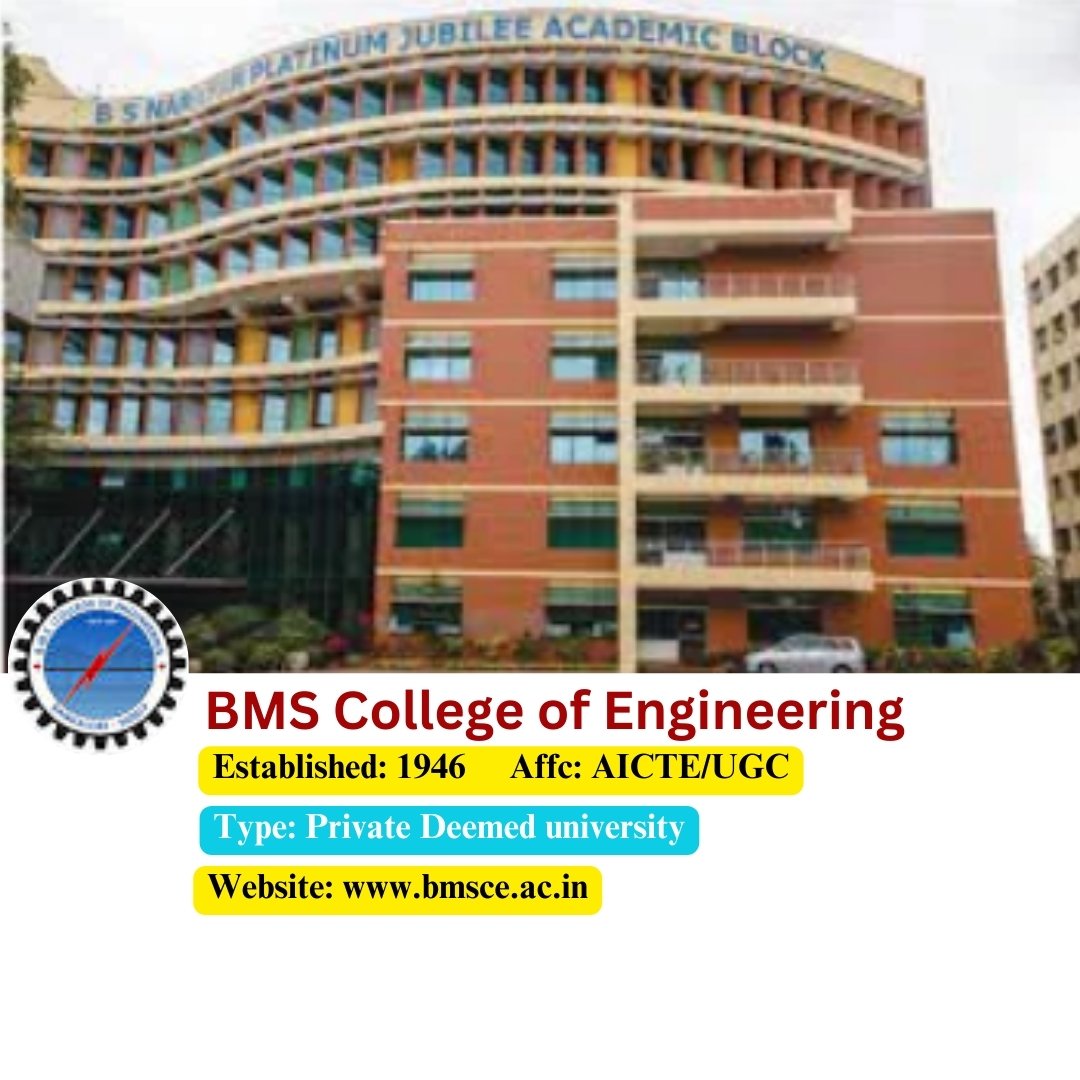
Top Colleges for CSE with Blockchain in India 2026.
Hand-picked institutes with strong CS departments for the blockchain specialisation — NAAC grades and establishment years are shown where published. Tap any college to open its full details page:
Before applying, always confirm the current fees, cutoffs, recognition and eligibility with the official college source. Our counselors verify these details for you — free of cost.
CSE with Blockchain — Eligibility Criteria 2026.
CSE Blockchain vs CSE (AI & ML) vs CSE (Cyber Security).
CSE Blockchain
Trust & decentralisation • cryptography, consensus, smart contracts • fintech, supply-chain & Web3 careers.
CSE (AI & ML)
Data & intelligence • deep learning, LLMs, analytics • the broadest current hiring wave.
CSE (Cyber Security)
Defence & trust • offensive + defensive security, forensics • SOC, pentesting & security-architecture roles.
CSE Blockchain Admission Process 2026 — Step by Step.
Check eligibility10+2 with Physics, Maths + a third science/CS subject (50–60%) — we map your exam vs direct route, free
Shortlist universitiescompare blockchain labs, electives, placements and fees — BITS, MIT, VIT, SRM, JIIT, PES and more
Register for exams / applyJEE Main, state CETs or university applications — we track every date
Appear for exams & counsellingrank-based or merit-based selection with document verification & seat-acceptance rounds
Pay fees & confirm seatlock your admission (spot rounds where available) and join the 2026 batch
Entrance Exams 2026 — How to Get In.
National, state and university-level routes all lead to CSE-Blockchain seats:
JEE Main Session-1 typically runs in January with Session-2 in April; university tests and merit windows follow their own calendars — confirm dates on official portals.
Fees & Institutes — Real Fee Table 2026.
Indicative fees from the live reference list (totals unless stated; additional hostel / registration charges may apply):
Financial help is widely available: merit scholarships for high Class-12 / entrance scores, fee waivers, government scholarships for reserved categories and education loans — some universities tie scholarships directly to entrance performance.
Blockchain Specialisations & Career Areas.
Beyond the hype — these are the most in-demand blockchain application areas for 2026:
Skills You Gain During the Programme.
Good institutions back the curriculum with cryptography & security labs, blockchain test networks / sandboxes / nodes, GPU & server clusters, IoT and distributed-systems labs, project labs and industry collaborations:
Career Options & Salaries 2026.
Blockchain engineers are hired by TCS, Infosys, IBM, Wipro and Tech Mahindra blockchain teams, banks & fintechs, supply-chain majors and Web3 startups. Indicative packages:
Salary ranges are indicative and vary with skills, city and employer. Open-source contributions, audit wins and strong capstone portfolios push packages significantly higher.
B.Tech Blockchain vs Online Certificate vs M.Tech.
B.Tech CSE Blockchain (4 yrs)
After 12th PCM • full engineering + specialisation depth • entrance-based • complete professional entry into Web3 & enterprise roles.
Online Cert / Diploma (3–12 mo)
For working professionals & upskillers • Solidity / Hyperledger tool skills • not a degree — pairs with a UG.
Integrated / M.Tech route
5-yr integrated or 2-yr M.Tech • distributed-systems research depth • R&D and architect trajectory.
Frequently Asked Questions.
What is B.Tech CSE with Blockchain?
It is generally a Computer Science / Engineering degree (B.Tech / B.E.) with a specialisation or elective focus on blockchain — distributed ledger technologies, cryptocurrencies and smart contracts. You study core CS subjects (data structures, algorithms, operating systems, databases) plus blockchain-specific topics: cryptography, consensus algorithms, smart-contract development, decentralised applications, Web3 and security. The aim is graduates who can design, build and maintain blockchain systems and integrate them into finance, supply chain, identity and IoT.
What is the duration and structure of the programme?
Typically 4 years (8 semesters). The first 1–2 years cover core engineering and computer-science fundamentals; blockchain specialisation electives appear in the later years. Some institutions offer integrated master’s or dual-degree options combining CS with blockchain research, plus PG, certification and diploma variants.
What is the eligibility criteria for 2026?
10+2 (or equivalent) from a recognised board — CBSE, State Board or ISC — with Physics, Mathematics and Chemistry / Computer Science / Electronics (PCM stream), usually 50–60% minimum aggregate. Some colleges require entrance exams (national, state or university level), and reserved-category relaxations apply.
How much does CSE with Blockchain cost, and is financial help available?
Indicative totals range from ₹3.18 lakh per year (NCU) to around ₹20 lakh (SAGE Indore), with most private universities between ₹4–11 lakh total — see the fee table above. Merit scholarships for high Class-12 / entrance scores, fee waivers, government scholarships for reserved categories and education loans are commonly available; some universities tie scholarships directly to Class-12 or entrance performance.
Which entrance exams should I target?
JEE Main is the broadest route, JEE Advanced for the IITs, state exams (UPSEE/UPTAC, MHT-CET, KCET, WBJEE) for state colleges, BITSAT / VITEEE / SRMJEEE / MET for institute programmes, and several private universities conduct their own tests (e.g. SUAT-style entrances). Direct merit admission on 10+2 marks is also widely available.
Is blockchain a good career in 2026 beyond cryptocurrencies?
Yes — enterprise adoption is the real story: trade-finance networks, supply-chain traceability, digital identity, CBDC pilots and tokenised assets all need blockchain engineers. Indicative packages start at ₹5–12 LPA, with blockchain architects and security auditors earning significantly more; the skill set also converts cleanly into distributed-systems and security careers.