
What is LLB? — Law Course Overview 2026.
LLB (Bachelor of Laws — Legum Baccalaureus) is a 3-year undergraduate professional degree approved by the Bar Council of India. You study the Indian legal system, Constitution, criminal law, civil law and corporate law — with practical training in moot courts, internships and court visits. Unlike the 5-year integrated BA LLB / BBA LLB (which starts after Class 12), the 3-year LLB opens after graduation in any stream — making it the perfect law route for BA, B.Com, B.Sc, BBA and even B.Tech graduates aiming to become advocates, judges, legal advisors or corporate counsel.
LLB 2026 — Key Summary
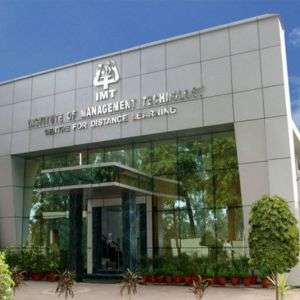
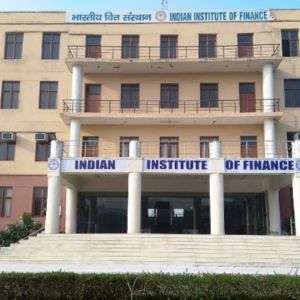
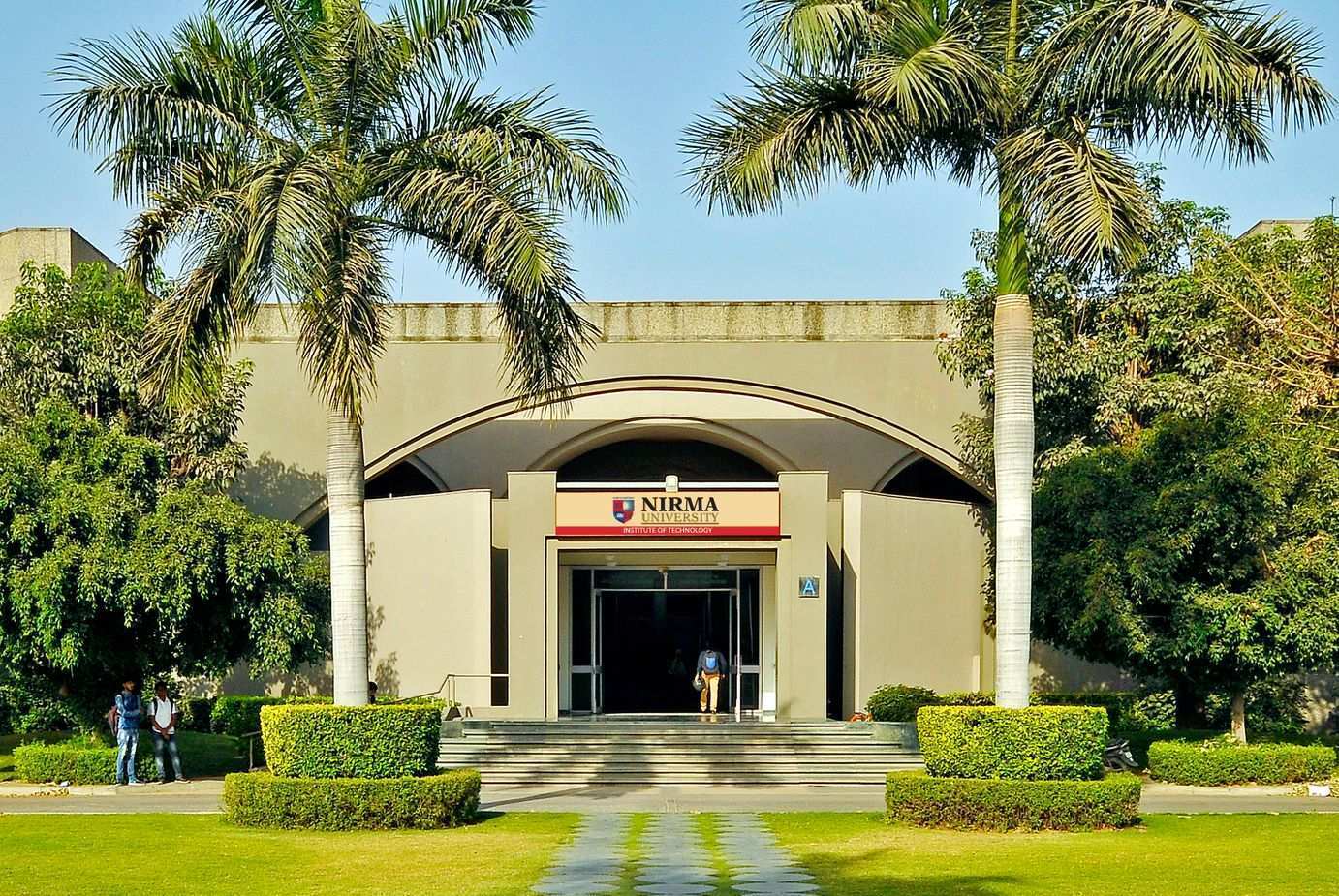
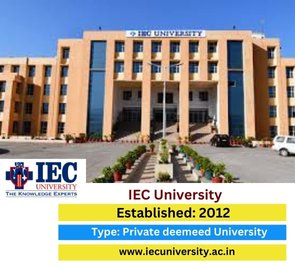
Top Law Colleges & Universities in India 2026.
Hand-picked universities with strong law schools, moot-court culture and recognition — NAAC grades and establishment years are shown where published. Tap any college to open its full details page:
Before applying, always confirm the current fees, cutoffs, recognition and eligibility with the official college source. Our counselors verify these details for you — free of cost.
LLB Eligibility Criteria 2026 (as per BCI).
3-Year LLB vs 5-Year Integrated vs LLM.
3-Year LLB
After graduation (any stream, 45%) • focused professional law training • MH CET Law / CUET-PG / merit routes • fastest route for graduates.
5-Year BA / BBA LLB
After Class 12 • integrated dual foundation + law • CLAT / university entrances • saves a year vs degree + LLB.
LLM (Master’s)
After LLB • specialisation (corporate, criminal, cyber, IPR) • academia and senior-practice careers • PhD path afterwards.
LLB Admission Process 2026 — Step by Step.
Check eligibilitygraduation in any stream with 45% (Gen/OBC) or 40% (SC/ST) — our counselors confirm college-specific rules, free
Register for the entrance examMH CET Law 3-Yr, CUET-PG, CLAT, AILET or your target university’s official portal
Prepare & appear for the examlegal aptitude, general knowledge, logical reasoning and English are the key sections
Counselling / merit roundscore-based counselling or college merit lists — choose your seat
Pay fees, enrol & plan practicecomplete admission; after LLB, clear the state bar exam and AIBE to practise as an advocate
LLB Entrance Exams 2026.
Admissions run through national, state and university-level entrances — and some colleges admit on graduation merit. Key exams:
Exam sections to prepare: Legal Aptitude, General Knowledge, Logical Reasoning and English. CLAT and AILET registration typically opens in July–November with exams in December — confirm dates on official portals.
Popular Law Specialisations After LLB.
Choose a practice area that matches your strengths — these are the most in-demand law specialisations for 2026:
Core LLB Subjects You’ll Study.
Career Options After LLB & Salaries 2026.
Most graduates practise law after clearing the state bar exam and AIBE; others join corporates, judiciary services, compliance and academia. Indicative packages:
Salary ranges are indicative and vary with role, city and employer. Judicial officers (via judiciary exams) earn ₹10–20 LPA, and independent advocates’ earnings grow with practice and reputation.
Best Colleges for LLB — Fees & Seat Intake 2026.
Premier law institutes and their LLB programme costs (full course fee • seat intake):
NLUs admit through CLAT; NLU Delhi through AILET. Fees are indicative, compiled from official sources, and may change — confirm with the institution before applying.
Top Government Colleges for LLB 2026.
BA vs BBA LLB vs 3-Year LLB — Which Path Fits?
BA LLB (5 yr)
Arts + law combo after Class 12 • constitutional, political & sociological grounding • CLAT route • ideal for civil-services minded aspirants.
BBA LLB (5 yr)
Management + law combo after Class 12 • corporate, banking & business-law focus • entrance or merit • corporate-counsel track.
3-Year LLB
After graduation in any stream • pure professional law from day one • MH CET Law / CUET-PG / merit • switchers’ fastest route.
Frequently Asked Questions.
Can I do a 3-year LLB after the 12th?
No — the 3-year LLB requires a bachelor’s degree in any discipline. If you are still in Class 12, the right route is a 5-year integrated programme like BA LLB or BBA LLB, which admits students straight after 10+2 through CLAT and university entrances.
What is the LLB age limit?
There is no age limit. The Bar Council of India has removed age restrictions for both 3-year and 5-year LLB courses, so any graduate who meets the marks criteria can apply at any stage of life.
Can I do LLB with 40% marks?
The standard requirement is 45% in graduation (40% for SC/ST candidates). With exactly 40% in the general category, admission is unlikely — but some universities may have their own relaxations, so confirm with the specific college before applying.
What is the process for LLB admission?
Admissions run through entrance exams — CLAT (all NLUs except NLU Delhi and NLU Meghalaya), AILET, MH CET Law, CUET-PG, DU LLB, BHU UET, LSAT India, SLS AIAT, TS LAWCET and more — while some colleges also admit on graduation merit. Key exam sections: legal aptitude, general knowledge, logical reasoning and English.
Which type of LLB is best — 3-year or 5-year?
It depends on where you are: after Class 12, choose the 5-year integrated BA LLB / BBA LLB (saves a year, single degree); after graduation, the 3-year LLB is the direct professional route. Both are BCI-approved and lead to the same bar exam and practice rights.
What are the best government colleges for LLB?
Top picks include Faculty of Law (DU), BHU, Jamia Millia Islamia (LLB around ₹52,000 total), ILS Pune, Government Law College Mumbai and the NLUs — NLSIU Bangalore, NLU Delhi, Nalsar Hyderabad, NUJS Kolkata and GNLU Gandhinagar. Fees range from ₹52,000 to ₹8 lakh for the full course; several are listed in our fee table above.