Master’s Courses 2026 — Overview & Why Pursue Them.
A master’s degree — MA, M.Sc, M.Com, MSW and allied PG programmes — is a 2-year postgraduate qualification (1-year options for 4-year UG graduates under NEP 2020) that deepens your subject expertise and unlocks better salaries, academia and research careers. With 5,000+ PG colleges in India, admission runs through CUET-PG for central universities, state PGCETs like CPGET, URATPG, AP PGCET and MAH CET, or merit and interview routes at leading private universities like Christ, Jain, KIIT and Amity.
Master’s 2026 — Quick Facts
Top Master Colleges in India 2026.
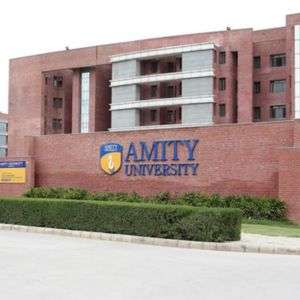
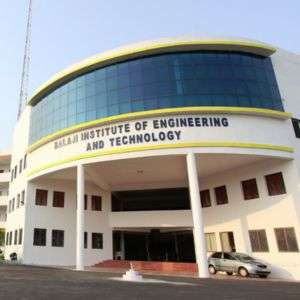
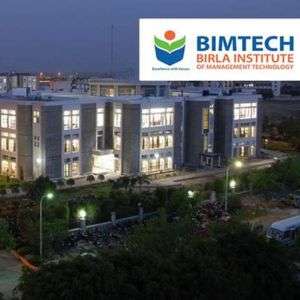
Hand-picked universities with strong master’s programmes, academics and recognition — NAAC grades and establishment years are shown where published. Tap any college to open its full details page:
Before applying, always confirm the current fees, cutoffs, recognition and eligibility with the official college source. Our counselors verify these details for you — free of cost.
Master’s Eligibility Criteria 2026.
Two Ways to Get Admission — Merit vs Entrance.
Entrance Route
CUET-PG for all central universities (DU, JNU, BHU, TISS) • state PGCETs — CPGET, URATPG, AP PGCET, MAH CET • score-based counselling.
Merit / PI Route
Private and deemed universities admit on bachelor's marks, often with a personal interview • faster, no exam stress — apply early.
Our Free Help
Share your subject, marks and city — our counselors map your exam vs merit route and the full 2026 timeline, free.
Master’s Admission Process 2026 — Step by Step.
Shortlist universities & subjectpick your master's field — compare NAAC grade, fees, faculty and placements; our counselors help for free
Check eligibility & deadlinesbachelor's marks (usually 50–55%), relevant-subject rules and 2026 application windows
Register for exams / applyCUET-PG and state PGCET registration, or direct application to private universities
Appear for test & counsellingCUET-PG / CPGET / URATPG / AP PGCET score-based counselling — many private universities use PIs
Pay fees & confirm seatlock your seat, submit documents and register for the 2026 session
Master’s Entrance Exams 2026.
Central universities hold CUET-PG, states run their own PGCETs, and most private universities offer direct merit or interview admission. Key exams for 2026:
CUET-PG registration typically opens in December–January with tests in March, so start preparing early. State PGCET calendars run February–June — confirm dates on official portals.
Popular Master’s Specialisations.
Pick a specialisation that builds on your bachelor’s degree and career goal — these are the most in-demand master’s streams for 2026:
Skills You Gain During a Master’s.
Master’s Career Options & Salaries 2026.
Master’s graduates are hired across academia, research, healthcare, policy, data and media — usually at noticeably higher packages than UG entrants. Indicative ranges:
Salary ranges are indicative and vary with field, city and role. Clearing NET/JRF, adding a PhD, or pairing your master’s with data or management skills can push earnings significantly higher.
MA / M.Sc vs PG Diploma vs MBA — Which Path Fits?
MA / M.Sc / M.Com
2 years • deep academic & research study of one subject • gateway to NET/JRF, PhD and specialist roles • most affordable PG path.
PG Diploma
1 year • skill and job-focused (data, marketing, design) • lighter theory, faster workforce entry • ideal add-on after any degree.
MBA
2 years • professional management degree • CAT/MAT/CMAT or direct routes • highest ceilings for corporate and leadership roles.
Frequently Asked Questions.
Which are the best master colleges in India for 2026?
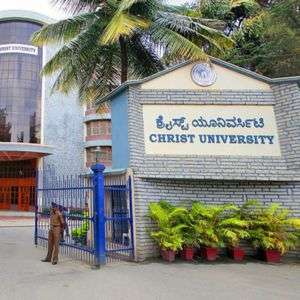
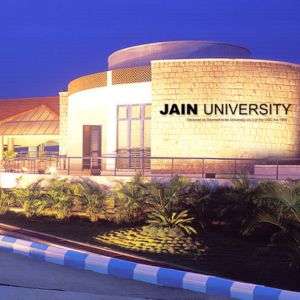
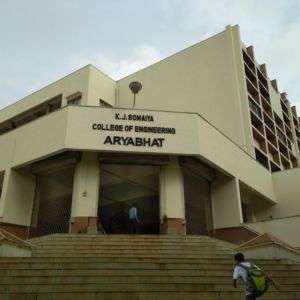
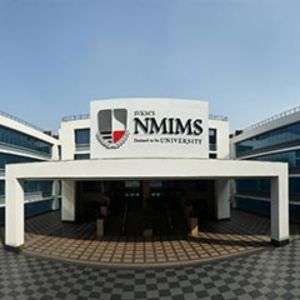
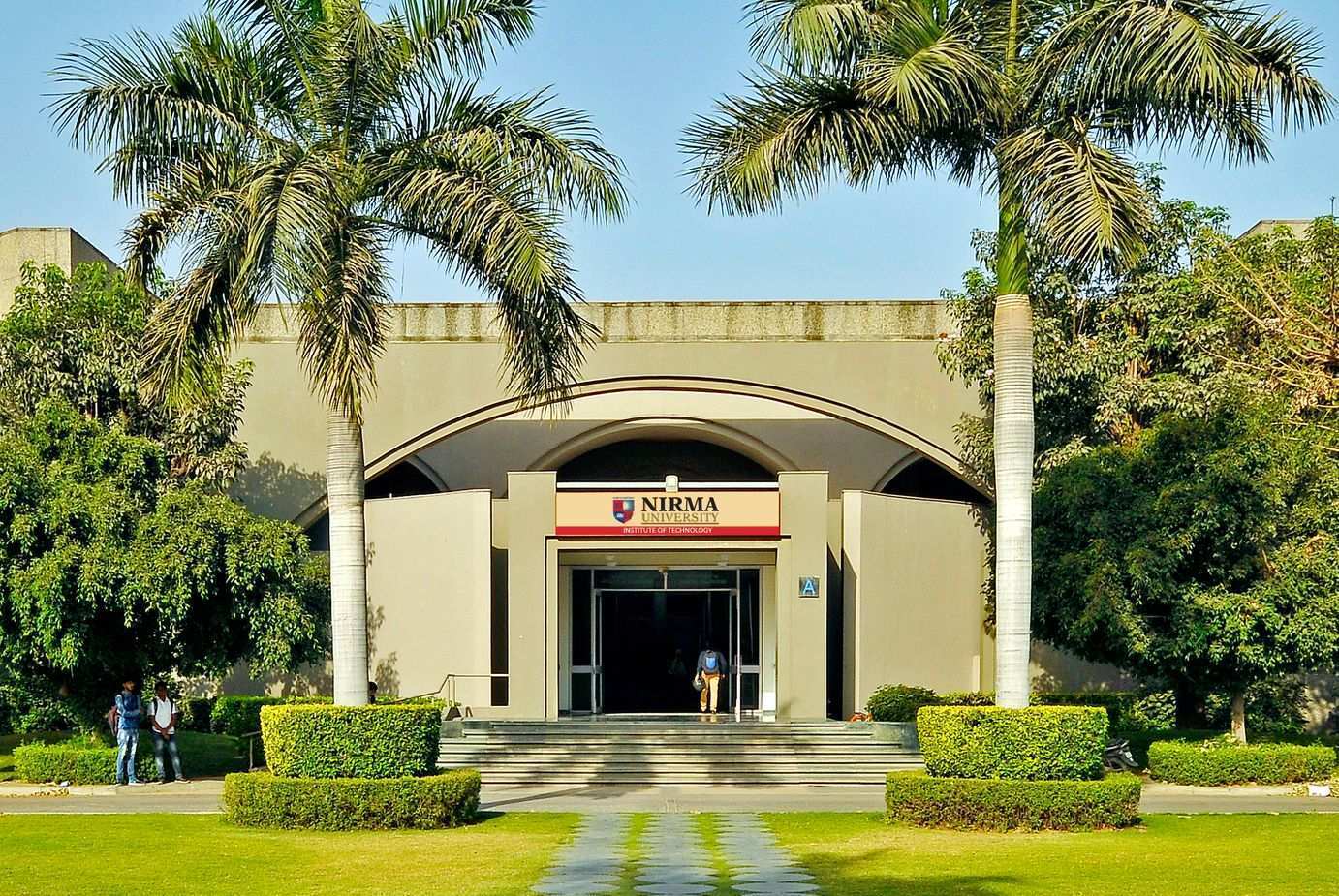
The IITs and IIMs lead in engineering, technology and management, while JNU, University of Delhi and TISS are renowned for research and social sciences. Among private universities, Christ University, Jain University (NAAC A++), KIIT, Amity, Manipal Jaipur, NMIMS and Nirma offer strong MA, M.Sc, M.Com and MSW programmes with modern facilities.
What is the eligibility for master's admission in 2026?
You need a bachelor's degree (minimum 3 years) in a relevant subject with around 50–55% marks. Final-year students can usually apply with provisional marksheets. Some universities relax marks for reserved categories; a few programmes need a specific UG background.
Which entrance exams do I need for a master's degree?
Central universities — DU, JNU, BHU, Jamia and TISS — admit through CUET-PG conducted by NTA. State universities use CPGET (Telangana), URATPG (Rajasthan), AP PGCET (Andhra Pradesh) and MAH CET / university PG cells (Maharashtra). Most private universities offer merit-based or interview-based direct admission.
How much does a master's degree cost in India?
Of 5,000+ PG colleges, most charge ₹1–2 lakh total (150 colleges), followed by ₹2–3 lakh (72), ₹3–5 lakh (33) and above ₹5 lakh (18). Government and distance-mode options (IGNOU, state open universities) cost far less.
Can I finish my master's in 1 year?
Yes — under NEP 2020, students who complete a 4-year undergraduate degree (with honours or research) can enrol in 1-year / 2-semester PG programmes at universities that offer them. Students with a standard 3-year bachelor's degree pursue the regular 2-year (4-semester) master's.
What are the career options after MA / M.Sc / M.Com?
Academia (clear NET/JRF for lectureship and PhD), data science and analytics for M.Sc graduates, clinical psychology practice, policy research and public administration, content and media, teaching, and NGO/development leadership with MSW. Indicative packages range from ₹2.5 to ₹14 LPA depending on the field.