Course essentials
What is BAMS?
BAMS stands for Bachelor of Ayurvedic Medicine and Surgery. It is an undergraduate professional degree in Ayurveda regulated by the National Commission for Indian System of Medicine (NCISM). The programme includes Ayurvedic disciplines, foundational medical sciences, supervised clinical education and a compulsory rotatory internship.
Ayurveda is a distinct Indian system of medicine with its own principles, texts and clinical framework. This page describes its education pathway and current admission structure; it does not make unqualified treatment claims. Clinical decisions should follow applicable professional standards, patient-safety obligations and the current legal scope of practice.
| Full form | Bachelor of Ayurvedic Medicine and Surgery |
| Programme level | Undergraduate professional degree |
| Prescribed duration | 5.5 years total, including 12-month compulsory rotatory internship |
| Entrance exam | NEET-UG (not KEAM, OJEE or IPU CET as an alternative all-India route) |
| Regulatory body | National Commission for Indian System of Medicine (NCISM) |
| Admission route | NEET merit followed by central or State/UT counselling as relevant |
Course timeline
BAMS course duration.
The programme is generally structured as 4.5 years of professional academic study followed by a 12-month compulsory rotatory internship—5.5 years in total. NCISM curriculum materials describe three professional phases of 18 months each, subject to current regulations and applicable batch curriculum.
Professional study
Three academic phases combine Ayurveda subjects, foundational health sciences, practical learning and clinical exposure.
Compulsory internship
A full year of supervised practical training is included in the overall programme duration.
NCISM permission & seat matrix
BAMS colleges in India: how to verify.
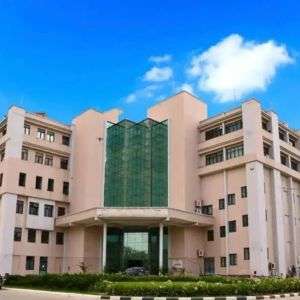
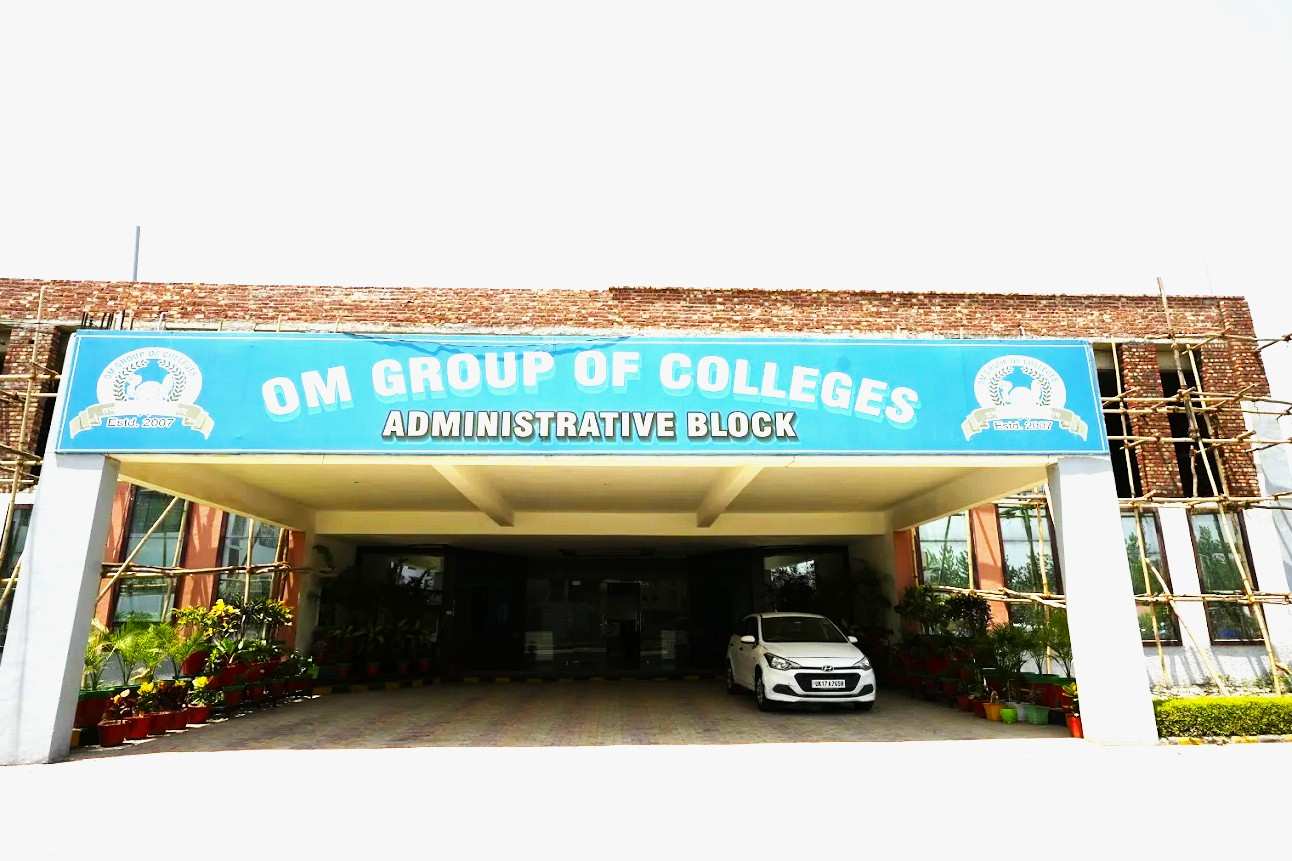
The supplied page names several universities and includes a large “Search More Colleges” area, but those promotions do not establish current BAMS permission or seat availability. College permissions and sanctioned intake can change by academic session. Use official NCISM notices and current counselling matrices rather than treating a promotional listing as a recommendation.
Confirm current permission
Check the exact BAMS college, course and approved intake for the admission year.
Match the quota and matrix
Verify the actual seat category, round, reservation and authority responsible for counselling.
Review teaching facilities
Check attached teaching hospital, clinical departments, patient exposure, faculty and internship sites.
Obtain full costs in writing
Compare fees, hostel, deposits, service/bond terms, stipend and refund rules for the specific seat.
| What to verify | Official source | Why it matters |
|---|---|---|
| Current permission & intake | NCISM ↗ | Past permission does not automatically guarantee admission approval this session. |
| Central quota seat | AACCC current UG seat matrices ↗ | Round-specific matrix shows seats currently offered under AACCC counselling. |
| State quota / state-private seats | Official State/UT AYUSH counselling authority | State prospectus sets local process, domicile, reservation and reporting requirements. |
| Curriculum, fees & internship | College and affiliating university official notices | Confirms real programme details and total cost for the seat. |
Admission-year regulations apply
BAMS eligibility criteria.
For BAMS admission, candidates must qualify NEET-UG and satisfy the current NCISM eligibility and counselling rules. The general framework includes 10+2 with Physics, Chemistry and Biology, category-specific minimum marks and a minimum age of 17 by 31 December of the admission year. Always check the latest admission-year bulletin for qualifications, equivalence, category and disability provisions.
| Requirement | What applicants should confirm |
|---|---|
| Class 12 subjects | Physics, Chemistry and Biology in 10+2 or equivalent, as required by the applicable NCISM regulation. |
| Minimum PCB aggregate | Regulatory framework generally specifies 50% for General and 40% for SC/ST/OBC in Physics, Chemistry and Biology together; verify the latest applicable rule. |
| Age | At least 17 years by 31 December of the admission year, subject to current rules. |
| NEET-UG | Must meet the current session’s qualifying percentile and related admission requirements; category/disability provisions may differ. |
| English / equivalence | Review current NCISM, AACCC and State/UT instructions for English, board equivalence, and any special qualifications applicable to the candidate. |
| Documents | NEET score/rank, 10th/12th records, identity, category/PwBD certificates (if applicable), and any documents listed in the chosen counselling notice. |
NEET-UG merit & online counselling
BAMS admission process 2026–27.
NTA confirms NEET-UG is the uniform entrance test for undergraduate Ayurveda courses. AACCC conducts counselling for specified All India Quota seats in government/government-aided colleges, central universities, national institutes and deemed universities. State/UT authorities conduct counselling for state quota and other seats assigned to them. The appropriate route depends on the seat and institution.
AACCC central counselling
Specified government/government-aided AIQ seats, central universities, national institutes and deemed-university seats under the current scheme.
State/UT counselling
State quota and applicable private-college seats under the relevant State/UT prospectus and counselling authority.
Qualify NEET-UG 2026
Meet the NEET qualifying standard and the applicable BAMS eligibility conditions.
Identify the correct counselling authority
Check AACCC and your State/UT AYUSH authority for the seat categories you may apply to.
Read the bulletin and register
Follow the live schedule, registration, fee/security deposit, choice filling, exit and refund provisions.
Check the approved college and seat matrix
Confirm current NCISM permission, BAMS intake, quota, reservation and round availability.
Fill choices and track allotment
Enter college choices in preference order; allotment depends on merit, preferences and seats.
Report and complete admission
Meet reporting deadlines, provide original documents, complete verification and pay official fees.
Ayurvedic studies & contemporary health sciences
BAMS subjects & curriculum.
The curriculum is prescribed under NCISM education regulations and is revised through current competency-based curriculum materials. It includes classical Ayurvedic learning, foundational sciences, clinical subjects and supervised experience. Course names and sequencing should be checked against the scheme applicable to the student’s batch.
Ayurvedic foundations
Samhita Adhyayan, Sanskrit-related learning, Padartha Vigyan, Ayurved Itihas and principles of Ayurveda.
Basic sciences
Rachana Sharir (anatomy) and Kriya Sharir (physiology) alongside foundational medical science learning.
Medicinal substances & therapeutics
Dravyaguna Vigyan, Rasashastra and Bhaishajya Kalpana, Agad Tantra and related Ayurvedic disciplines.
Clinical & public health
Kayachikitsa, Panchakarma, Shalya Tantra, Shalakya Tantra, Prasuti Tantra & Stri Roga, Kaumarbhritya, community health and research.
College- and quota-specific cost
BAMS fees in India.
The source page gives inconsistent figures (including annual and full-course ranges) that are not a universal current fee schedule. Costs vary by public/private status, State/UT, quota, category and college. Check official notices for the exact seat and calculate tuition plus all compulsory and living costs over the full 5.5-year programme.
| Fee component | Confirm before choice locking |
|---|---|
| Tuition | Annual fee, duration charged, increase policy and total expected tuition. |
| University & college charges | Admission, registration, examination, clinical, laboratory and other compulsory amounts. |
| Hostel & living | Hostel, mess, transport, deposits, books and clinical posting costs. |
| Internship year | Any fees, stipend/allowance, accommodation, leave and attendance conditions. |
| Bond & refund | Service obligation, cancellation deadline, refund deductions and counselling security rules. |
Compulsory supervised practical year
BAMS internship.
The one-year compulsory rotatory internship is part of the 5.5-year BAMS programme. It follows the required professional coursework and examinations and provides supervised clinical and field exposure under the current NCISM regulations and university scheme.
Rotations & practical experience
Departmental postings and hospital/community learning are prescribed under the applicable internship schedule.
Completion requirements
Attendance, logbooks, evaluation, clinical work and completion certification follow university/regulatory rules.
Further study & professional pathways
Career options after BAMS.
After completing the degree, internship and applicable registration requirements, graduates may pursue pathways that accept a BAMS qualification and fall within current professional rules.
Ayurveda clinical practice
Clinical roles in eligible Ayurvedic settings, subject to applicable registration and scope of practice.
Government health services
Medical officer and AYUSH service vacancies when the recruitment notice accepts BAMS and the candidate meets its conditions.
Postgraduate education
MD/MS Ayurveda or related higher study through the applicable entrance, eligibility and counselling route.
Research, teaching & allied work
Research, academics, public health, medicinal products, hospital administration or wellness-related roles, subject to additional qualifications.
The source article’s salary bands and recruiter names are not universal or independently established. Earnings vary by employer, location, selection scale, experience, specialisation and private-practice factors; use current recruitment notices and actual offers.
Frequently asked questions
BAMS course & admission FAQs.
What is the full form of BAMS?
BAMS stands for Bachelor of Ayurvedic Medicine and Surgery.
How long is the BAMS course?
The programme is generally 5.5 years: 4.5 years of academic/professional study plus a compulsory 12-month rotatory internship.
Is NEET compulsory for BAMS admission?
Yes. NEET-UG is the required entrance examination for undergraduate Ayurveda admission; NEET merit is used for counselling under the applicable route.
Are KEAM, OJEE or IPU CET alternatives to NEET for BAMS?
Do not rely on older third-party statements suggesting they replace NEET. Check the NTA/NCISM admission framework and the current State/UT counselling prospectus; NEET-UG is the uniform UG entrance for BAMS.
Who conducts BAMS counselling?
AACCC handles specified central/All India Quota seats; State/UT authorities handle seats under their jurisdiction. The exact authority depends on quota and institution.
What are the Class 12 subject and marks requirements?
NCISM rules generally require 10+2 Physics, Chemistry and Biology with category-specific aggregate marks. Confirm current applicable provisions, equivalence and NEET requirements from the official bulletin.
What is the minimum age for BAMS?
The general rule is that candidates must be 17 years old by 31 December of the admission year; check the current official rules for your session.
How much are BAMS fees?
Fees vary by college, quota and State/UT. Ask for the official full-course fee schedule, hostel/other costs and refund rules for the exact seat.
How do I know whether a BAMS college is permitted?
Check the latest NCISM permission and confirm the college/course/seat in the current AACCC or State/UT counselling matrix.
What can I do after BAMS?
Possible routes include regulated Ayurveda practice, eligible public-sector positions, postgraduate education, teaching, research and allied fields. Each role has specific registration and recruitment rules.
Primary sources & editorial notes
Sources & review.
Reviewed 30 September 2026. All three chunks of the supplied BAMS article were fetched. Course duration, eligibility, admission, curriculum, fees, careers and FAQs informed this guide. Conflicting durations, outdated alternative entrance-exam claims, unsupported fee/salary ranges and unrelated promoted-college cards were corrected or omitted.
- National Commission for Indian System of Medicine (NCISM) ↗
Primary regulatory portal for Ayurveda education regulations, current curriculum, college permission and notices.
- NCISM — Ayurpraveshika transitional curriculum for BAMS ↗
First-professional BAMS transitional curriculum applicable from 2025–26 batches; includes course-structure context.
- AACCC — UG counselling portal ↗
Live 2026–27 NEET-qualified candidate counselling, schedules, notices and candidate services.
- AACCC — UG information bulletins ↗
Official 2026–27 counselling bulletin, scheme, FAQs and registration guide.
- AACCC — Current UG events and seat matrices ↗
Round-specific provisional seat matrix and results; verify live seat availability.
- National Testing Agency (NTA) ↗
Official NEET-UG examination notices, results and information bulletins.
- Supplied Search My Colleges BAMS article ↗
Requested starting source. Its mixed duration/fee/salary claims and unrelated college promotions were not copied as authoritative facts.
Educational information only; not an official counselling notice, medical advice or admission guarantee. Eligibility, permission, seats, fees and counselling schedules can change. Follow current NCISM, NTA, AACCC, State/UT and university notices for the seat and admission year.