
Mechanical Engineering 2026 — Course Overview.
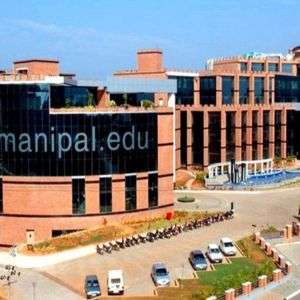
Mechanical Engineering is a highly versatile field dealing with mechanical systems and equipment — one of the most popular branches of engineering today. It is offered at Undergraduate, Postgraduate, Diploma and Doctorate levels, with admissions open for the 2026–27 session through JEE Main, JEE Advanced, TS EAMCET, TNEA, COMEDK UGET, MHT-CET, KCET, SRMJEEE, VITEEE and merit routes. Average fees run ₹3–15 lakh and average salaries ₹5–7 LPA, with the best names in the country being IIT Bombay, IIT Delhi, DTU, Jadavpur University, MIT Manipal, BITS Pilani, NIT Trichy and VIT Vellore. Recruiters include BMW, Tata Motors, Mahindra & Mahindra, BHEL, GE Global Research, Toshiba and Hindustan Petroleum — and with EVs, automation and Industry 4.0 reshaping manufacturing, mechanical engineers are entering their most exciting decade yet.
Mechanical Engineering 2026 — Quick Facts
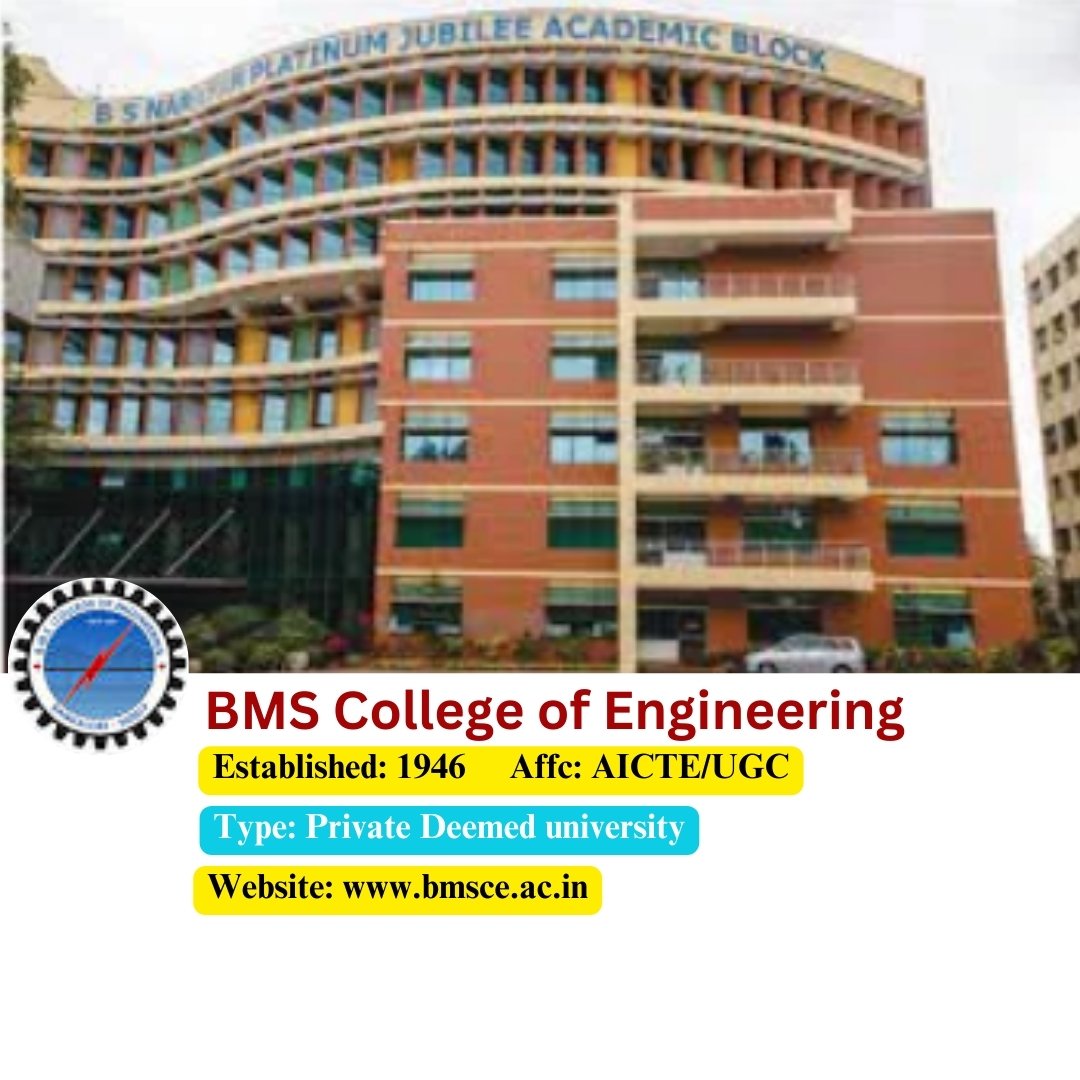
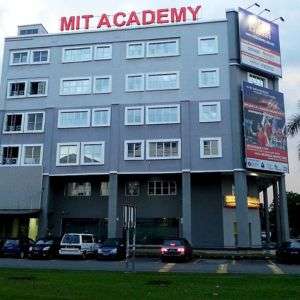
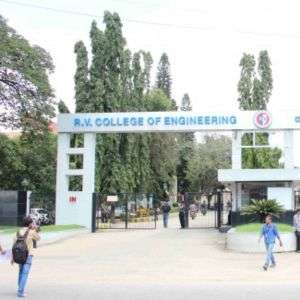
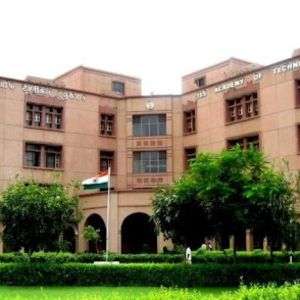
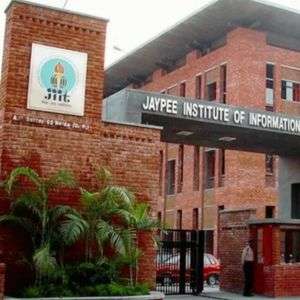
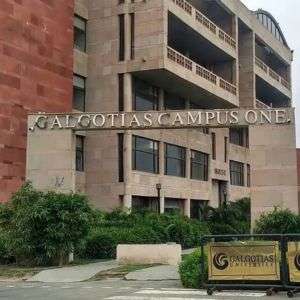
Top Mechanical Engineering Colleges in India 2026.
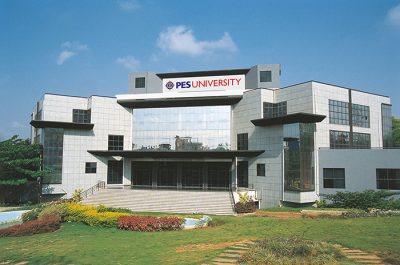
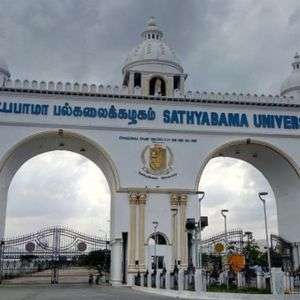
Hand-picked engineering institutes with strong mechanical departments, workshops & industry tie-ups — NAAC grades and establishment years are shown where published. Tap any college to open its full details page:
Before applying, always confirm the current fees, cutoffs, recognition and eligibility with the official college source. Our counselors verify these details for you — free of cost.
Mechanical Engineering — Eligibility Criteria 2026.
B.Tech Mechanical vs Civil vs Electrical — the Core Trio.
B.Tech Mechanical
Machines, energy & motion • widest branch spread from autos to aerospace • highest PSU seat count.
B.Tech Civil
Builds the physical world • structures, transport, water • infra-boom & department careers.
B.Tech Electrical
Power + electronics • grids, drives, EVs & automation • energy-sector and VLSI crossovers.
Mechanical Engineering Admission Process 2026 — Step by Step.
Qualify & registercomplete Class 12 PCM (45–75%) and register for JEE Main, state CETs or university tests — we track every date, free
Fill the application formsubmit academic details, entrance scores and preferences online
Appear for exams & counsellingrank-based or merit-based selection with GD / PI rounds at several colleges
Choose college & verify documentslock your preferred branch-college seat and complete document verification
Pay fees & confirm admissionsecure your place in the 2026 B.Tech Mechanical batch
Entrance Exams 2026 — How to Get In.
National, state and institute-level entrances all lead to mechanical seats — plus GATE for M.Tech and direct merit routes:
JEE Main Session-1 typically runs in January with Session-2 in April; state CETs (TS EAMCET, MHT-CET, KCET) follow in April–June. Confirm dates on official portals.
Semester-wise Syllabus 2026.
The 8-semester journey from engineering foundations to capstone projects:
Mechanical Engineering Specialisations.
Steer your mechanical degree towards an industry — these are the most in-demand specialisations for 2026:
Skills You Gain During the Programme.
Career Options & Salaries 2026.
Mechanical engineers are hired by BMW, Tata Motors, Mahindra & Mahindra, BHEL, GE Global Research, Toshiba and Hindustan Petroleum — plus PSUs via GATE and the booming EV industry. Indicative packages:
Salary ranges are indicative and vary with skills, city and employer. GATE scores, CAD/CAE mastery and EV-industry experience push packages significantly higher.
B.Tech Mechanical vs Diploma vs M.Tech Mechanical.
B.Tech Mechanical (4 yrs)
After 12th PCM • full engineering depth — design, thermal, manufacturing • JEE / state-exam entry • complete professional entry.
Diploma (3 yrs)
After 10th • hands-on workshop, maintenance & production training • early job entry • lateral entry to B.Tech 2nd year.
M.Tech Mechanical (2 yrs)
After B.Tech + GATE • specialisation in design, thermal or manufacturing • R&D, PSU and academic trajectory.
Frequently Asked Questions.
What is Mechanical Engineering?
Mechanical Engineering is one of the oldest and broadest branches of engineering. It focuses on the design, manufacturing, analysis, maintenance and operation of machines, mechanical systems and industrial equipment — combining principles of physics, mathematics and material science to develop innovative engineering solutions.
What is the duration of the Mechanical Engineering course?
The B.Tech / B.E. in Mechanical Engineering is a 4-year undergraduate programme divided into eight semesters. Diploma programmes are usually completed in 3 years, while M.Tech programmes are generally of 2 years’ duration.
What is the eligibility criteria for Mechanical Engineering admission?
For B.Tech admission, candidates must have passed Class 12 with Physics, Chemistry and Mathematics (PCM) from a recognised board — typically with 45–60% marks at private colleges and 75% for the IITs and NITs. For M.Tech, a B.Tech with at least 60% plus a valid GATE score is the standard route, and diploma holders can enter B.Tech 2nd year via lateral entry.
Which entrance exams are accepted for Mechanical Engineering admission?
Admission is commonly based on JEE Main, JEE Advanced, state-level engineering entrance exams (TS EAMCET, TNEA, MHT-CET, KCET) and university-specific tests like SRMJEEE, VITEEE and MET. Some institutions also offer merit-based admission on Class-12 marks, and GATE drives M.Tech admissions plus PSU recruitment.
What subjects are taught in Mechanical Engineering?
The curriculum includes Engineering Mechanics, Thermodynamics, Fluid Mechanics, Strength of Materials, Manufacturing Processes, Machine Design, Heat Transfer, CAD/CAM, Robotics, Industrial Engineering, Automobile Engineering and Production Engineering — semester-by-semester breakdown above.
What are the career opportunities after Mechanical Engineering?
Graduates work as Design Engineers, Production Engineers, Quality Engineers, Maintenance Engineers, Project Engineers, Manufacturing Engineers, Automobile Engineers, HVAC Engineers, Research Engineers and Technical Consultants — across manufacturing, automotive, aerospace, energy, defence and the fast-growing EV sector, plus PSU roles via GATE.