


Course basics
What is Bachelor of Physiotherapy?
Bachelor of Physiotherapy (BPT) is an undergraduate healthcare degree that prepares students to assess movement and functional ability, plan physiotherapy interventions and support rehabilitation. The NCAHP competency-based Physiotherapy Curriculum 2025 sets out a five-year bachelor’s programme, including a year-long internship.
Physiotherapy practice can support people with injury, illness, disability or movement-related needs across the lifespan. Graduates work with patients and other health professionals in care settings within the applicable professional standards and legal requirements.
| Full form | Bachelor of Physiotherapy |
| Level | Undergraduate bachelor’s degree |
| Current national curriculum structure | 5 years: 4 academic years + 1 full-time rotatory internship |
| Core focus | Movement, physical function, therapeutic intervention and rehabilitation |
| Curriculum framework | NCAHP Competency-Based Curriculum for Physiotherapy, Approved Syllabus 2025 |
Entry requirements
BPT eligibility criteria.
Eligibility is set out in the applicable national curriculum and the current admission prospectus. Verify the exact subject combination, minimum marks, age, equivalency and category provisions for your target institution; directory summaries may omit local conditions.
| Check | What to verify in the official prospectus |
|---|---|
| Qualifying education | Required 10+2 / equivalent subjects and pass conditions for the BPT intake. |
| Science subjects | Whether Physics, Chemistry, Biology and English are required, and whether any alternative subject combination is accepted. |
| Minimum marks | Overall or subject-wise threshold, calculation method and any category-based relaxation. |
| Age and equivalence | Minimum/maximum age if applicable, accepted boards and foreign/international qualification process. |
| Selection conditions | Entrance test, qualifying-exam merit, counselling and applicable reservation rules for that seat. |
Entrance, merit & counselling
BPT admission process in India.
There is no single entrance-test pathway that should be assumed for every BPT programme. Selection may be managed by a state authority, university or institution. The accepted exam and merit method must be confirmed in the prospectus for the relevant course, campus and year.
Identify the admission authority
Find the state counselling body, university or institution that handles the specific BPT seats you plan to apply for.
Read the current prospectus
Confirm eligibility, selection method, application steps, reservation, documents and the official calendar.
Apply through the official portal
Submit the correct application and any required entrance-test form; retain confirmation and payment records.
Track merit and counselling
Follow official merit lists, choice filling, counselling rounds, allotment and reporting instructions.
Verify the seat and cost before paying
Confirm programme approval/affiliation, the complete fee schedule, clinical arrangements and refund terms.
Competency-based learning
BPT syllabus & subject areas.
The national curriculum combines foundational health sciences with physiotherapy knowledge, practical skills and clinical learning. The exact subject names, sequencing, credits and assessment scheme should be checked against the current curriculum followed by the awarding university.
Foundational sciences
Anatomy, physiology, biomechanics, kinesiology, pathology and related health sciences build an understanding of the human body and movement.
Physiotherapy practice
Assessment, clinical reasoning, therapeutic exercise, physical agents/modalities, treatment planning and evaluation of outcomes.
Clinical domains
Musculoskeletal and orthopaedic, neurological, cardiopulmonary, paediatric, community and other rehabilitation contexts.
Professional capabilities
Communication, ethics, evidence-informed practice, research literacy, teamwork, documentation and patient-centred care.
Supervised clinical learning
The BPT internship.
Under the updated national curriculum, the internship is a full-time year within the five-year programme. Rotatory clinical exposure is intended to help students consolidate competencies in real care settings under appropriate supervision.
| Ask the institution | Why it matters |
|---|---|
| Where are rotations conducted? | Understand hospital, rehabilitation and community placement sites and how students travel between them. |
| Which clinical areas are included? | Check the rotation plan, learning outcomes and exposure across relevant patient groups. |
| How is supervision organised? | Confirm qualified clinical supervisors, student-to-supervisor support and feedback processes. |
| How are competencies assessed? | Ask about logbooks, attendance, practical assessments and completion requirements. |
| What costs apply? | Clarify internship-year fees, transport, insurance, uniform and other required expenses. |
Plan the full programme cost
BPT fees in India.
BPT fees vary by state, institution, seat category and facilities. Broad fee estimates lack a consistent current basis, so this page does not present them as a reliable national range. Compare official fee schedules for the exact institution and session.
| Cost item | Confirm before admission |
|---|---|
| Tuition | Year-wise amount, duration charged and any permitted annual increase. |
| University / examination | Registration, exam, laboratory, library and other compulsory charges. |
| Clinical / internship | Internship-year tuition, rotation or hospital charges, transport and insurance. |
| Hostel / living | Hostel, meals, deposits, travel and local living expenses. |
| Refund policy | Cancellation windows, deductions, security deposits and official refund process. |
Work settings & further study
Career options after BPT.
Graduates may pursue roles in physiotherapy and rehabilitation services, subject to applicable professional registration and employer requirements. Career progression depends on experience, further study, location and the type of service.
Hospital & rehabilitation services
Physiotherapy teams in hospitals, rehabilitation centres and multidisciplinary care settings.
Clinics & home-based care
Patient assessment and rehabilitation support in clinic or home-care environments, as permitted by local requirements.
Sports & performance settings
Support for physical function, injury recovery and conditioning with relevant skills and experience.
Community & public health
Community rehabilitation, disability support, prevention and health-promotion programmes.
Further study
MPT and other relevant postgraduate or research pathways; admission requirements vary.
Teaching & research
Academic, research and professional-development routes subject to additional qualifications and institutional criteria.
Salary figures are not reliable as universal outcomes. Pay differs with employer, role, region, experience and work arrangement; use current job advertisements and written offers for realistic comparisons.
Evaluate the programme, not just the brochure
How to shortlist a BPT college.
Rather than relying on unrelated directory cards or unsupported rankings, evaluate each BPT programme against verifiable academic and clinical information.
Confirm awarding university and affiliation
Check the current affiliation, degree-awarding authority and applicable approvals for the exact campus and intake.
Ask which curriculum applies
Confirm implementation of the NCAHP curriculum, programme duration, examination scheme and internship structure for your cohort.
Verify clinical training
Review named clinical sites, rotation areas, supervision, patient-safety protocols and internship completion process.
Read admission terms directly
Use the latest state/university prospectus for eligibility, entrance process, counselling, category provisions and deadlines.
Get all costs in writing
Compare full-course fees and related costs, including internship year, accommodation and transport.
Check professional registration requirements
Ask the relevant institution or state authority about registration, recognition and practice requirements applicable at graduation.
Frequently asked questions
BPT course FAQs.
How long is BPT under the updated curriculum?
The NCAHP Physiotherapy Curriculum 2025 specifies five years: four academic years plus one full-time rotatory internship. The older 4.5-year format may appear in older institutional pages, so verify the scheme for your intake.
Is NEET compulsory for BPT everywhere in 2026–27?
No universal test rule should be assumed. The NCAHP-referenced mandatory NEET requirement was deferred until 2027–28; GGSIPU specified CET for its own 2026–27 BPT admissions. Other admission authorities publish their own current route.
What subjects do I need in Class 12?
Check the current prospectus for your target BPT seat. Subject requirements and accepted equivalents should be confirmed from the admission authority rather than inferred from a general course listing.
How much are BPT fees?
Fees vary. Use the institution’s official session-specific full fee schedule and account for tuition, examination, clinical, internship, accommodation and other charges.
Is BPT the same as MBBS?
No. BPT is a physiotherapy degree focused on movement, function and rehabilitation; it is not an MBBS medical degree.
What can I do after BPT?
Possible paths include clinical physiotherapy, rehabilitation, community or home-based services, sports settings, postgraduate study, research and teaching, subject to applicable requirements.
Are salary figures on course pages guaranteed?
No. Salaries vary by role, experience, location and employer. Treat broad averages as indicative at best and verify against current vacancies and actual offers.
Official references & editorial notes
Sources & review.
- NCAHP — Competency-Based Curriculum for Physiotherapy, Approved Syllabus 2025 ↗
National curriculum text hosted by the University of Delhi; specifies the five-year bachelor’s programme, four academic years and a one-year internship, along with curriculum and competency framework.
- GGS Indraprastha University — Notification No. 05/2026, 23 March 2026 ↗
Institution-specific notice quoting the NCAHP NEET deferral for BPT/BOT until 2027–28 and stating GGSIPU’s CET route for its 2026–27 admissions.
- National Commission for Allied and Healthcare Professions Act, 2021 ↗
Statutory framework relating to allied and healthcare professions.
For course research only. Admission, fee, curriculum implementation, recognition and professional-registration requirements can change. Follow the current official authority and institution documents before applying.


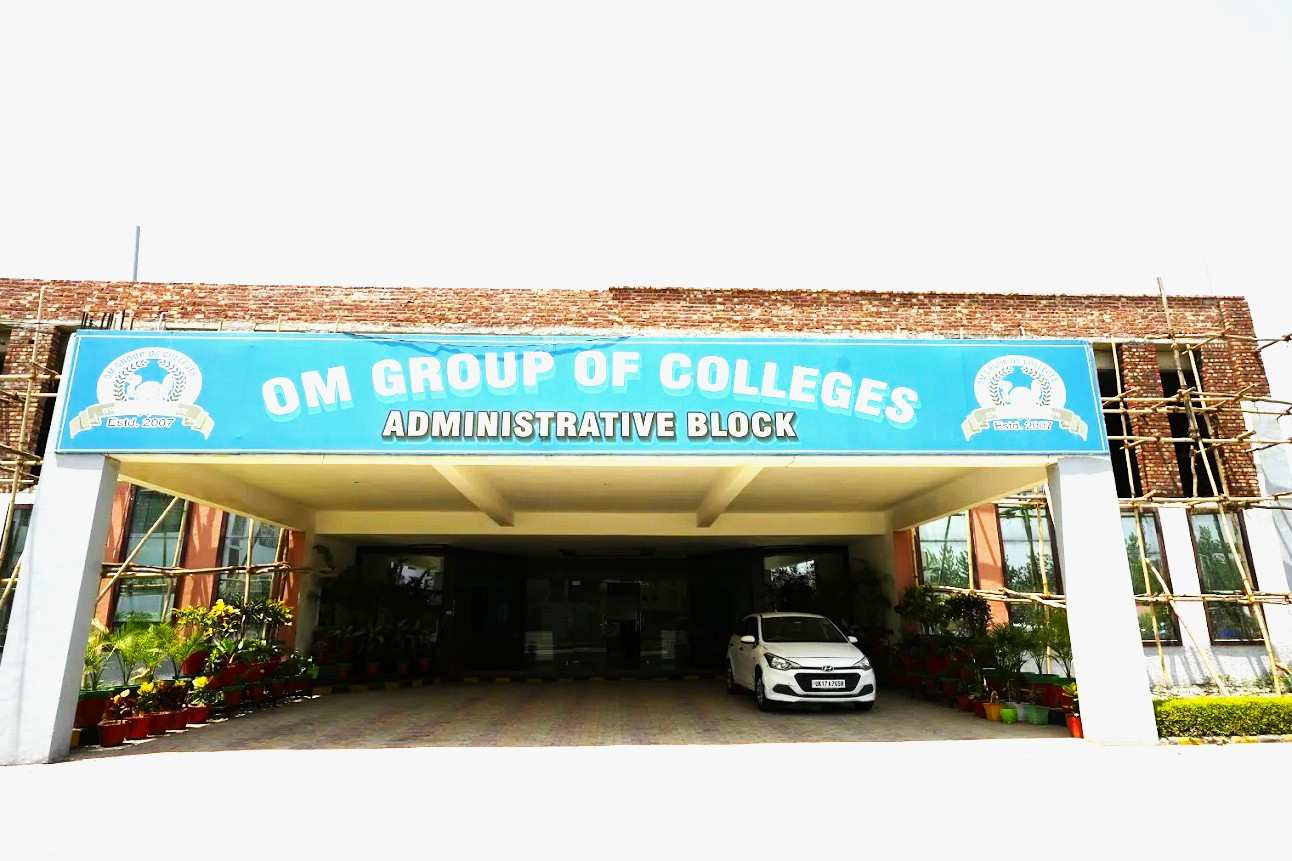
The course of Bachelor in Physiotherapy is an undergraduate four-year program. BPT course will provide students with an overview of human anatomy, physiology, and biomechanics and extemporize skills in the diagnosis and treatment for different physical ailments and injuries.